
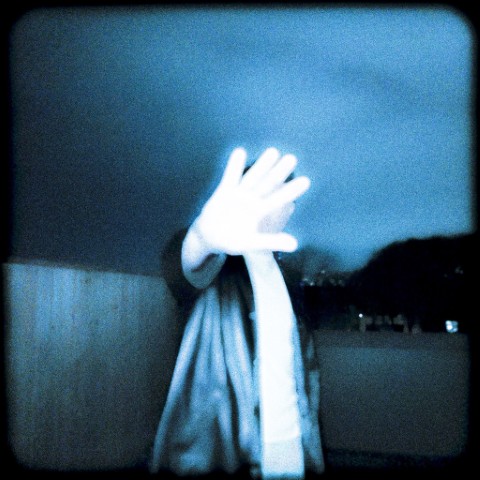
ARK IDENTITY Confronts the Cost of Validation on Gritty New Single “Social Dopamine,” Title Track of Upcoming EP
Toronto artist ARK IDENTITY (Noah Mroueh) shares “Social Dopamine,” a gritty 90s-inspired alternative single that examines the addictive pull of online validation and the slow erosion of self that can come with it. Blending fuzzed-out indie rock textures with emotionally direct songwriting, the track captures the tension between who we are and the carefully curated versions of ourselves we project into the world.
Written about the constant search for approval through social media, “Social Dopamine” explores the strange cycle of external validation that has become second nature for so many.
“We’ve all curated our personas online so heavily. We’ve become so consumed by how we’re perceived that we start to lose touch with who we actually are,” Noah explains.
At the heart of the song is the fleeting rush that comes with attention, a momentary high that quickly disappears, only to be chased again.
“Social Dopamine” also marks the beginning of a larger chapter. The single serves as the title track to ARK IDENTITY’s upcoming EP, sitting at the centre of a new body of work that expands the sonic and emotional world Noah has been building.
The title itself gets to the core of that feeling.
“It’s about that short-lived high we get from seeking attention and the approval of others,” Noah says. “It becomes addictive, a sort of ‘Social Dopamine’ hit that we keep chasing. But it never really satisfies anything deeper, so the cycle just keeps repeating.”
The songwriting process unfolded instinctively alongside co-writer Philippe Andre. Beginning with the lyrics, the pair built the track around emotional honesty rather than polish.
“The lyrics came first, and then we tried to make something that felt honest, raw, and emotionally true to the words,” Noah explains.
Production-wise, ARK IDENTITY leaned into a distinctly 90s alternative palette, drawing influence from Nirvana, The Smashing Pumpkins, and Beck. Dirty guitars, fuzzed-out bass, and imperfect drums give the song its worn-in, human edge. Rather than sanding away those rough corners, Noah embraced them.
“We didn’t want it to feel overly polished,” he says. “The imperfections make it feel more human, which fits the message of the song.”